
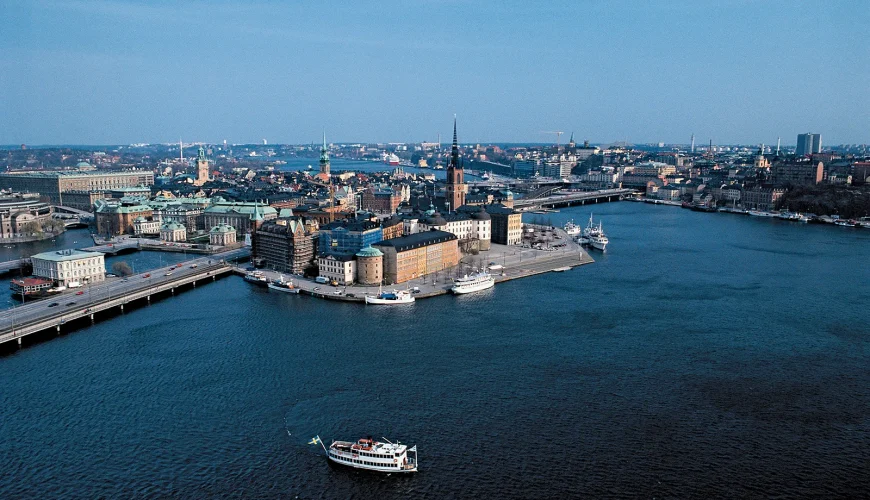
Sweden
Sweden is a Scandinavian nation with thousands of coastal islands and inland lakes, along with vast boreal forests and glaciated mountains. Its principal cities, eastern capital Stockholm and southwestern Gothenburg and Malmö, are all coastal. Stockholm is built on 14 islands. It has more than 50 bridges, as well as the medieval old town, Gamla Stan, royal palaces and museums such as open-air Skansen.
-
BY admin
- September 4, 2022 6:47 pm
- no comment
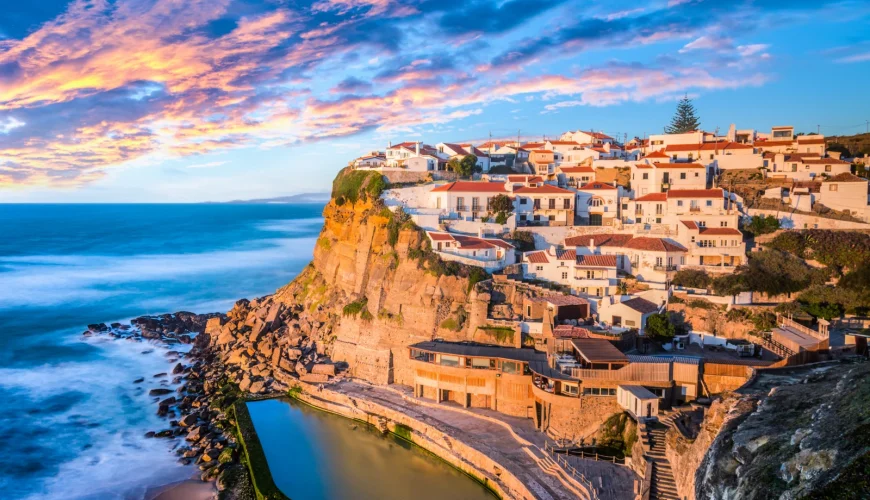
Portugal
Portugal is a southern European country on the Iberian Peninsula, bordering Spain. Its location on the Atlantic Ocean has influenced many aspects of its culture: salt cod and grilled sardines are national dishes, the Algarve’s beaches are a major destination and much of the nation’s architecture dates to the 1500s–1800s, when Portugal had a powerful maritime empire
-
- September 4, 2022 6:44 pm
- no comment
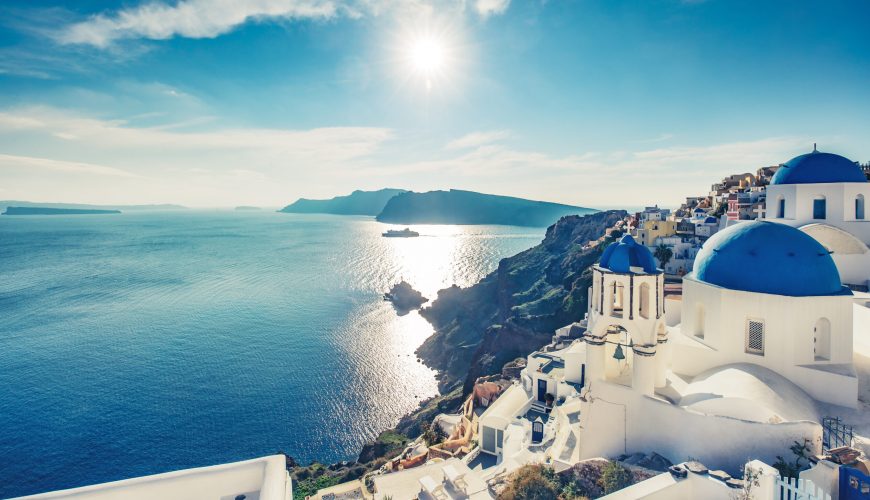
Greece
Greece is a country in southeastern Europe with thousands of islands throughout the Aegean and Ionian seas. Influential in ancient times, it’s often called the cradle of Western civilization. Athens, its capital, retains landmarks including the 5th-century B.C. Acropolis citadel with the Parthenon temple. Greece is also known for its beaches, from the black sands of Santorini to the party resorts of Mykonos.
-
- September 4, 2022 6:42 pm
- no comment
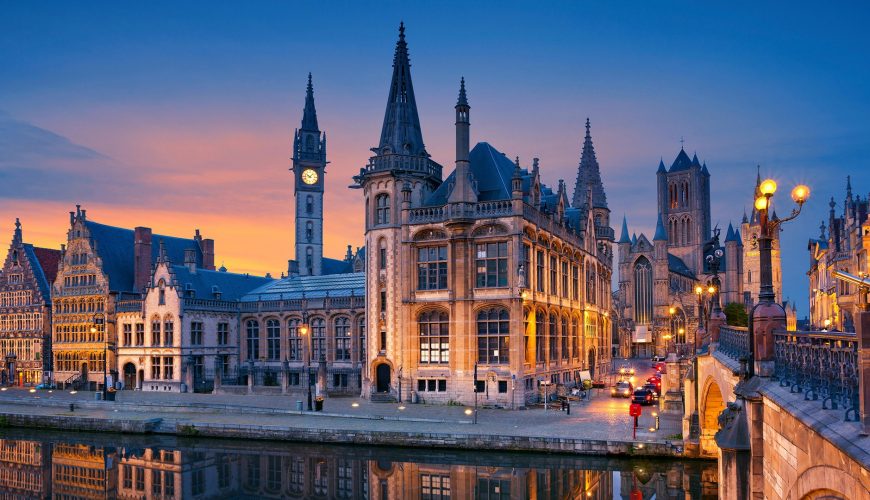
Belgium
Belgium, a country in Western Europe, is known for medieval towns, Renaissance architecture and as headquarters of the European Union and NATO. The country has distinctive regions including Dutch-speaking Flanders to the north, French-speaking Wallonia to the south and a German-speaking community to the east. The bilingual capital, Brussels, has ornate guildhalls at Grand-Place and elegant art-nouveau buildings.
-
- September 4, 2022 6:38 pm
- no comment
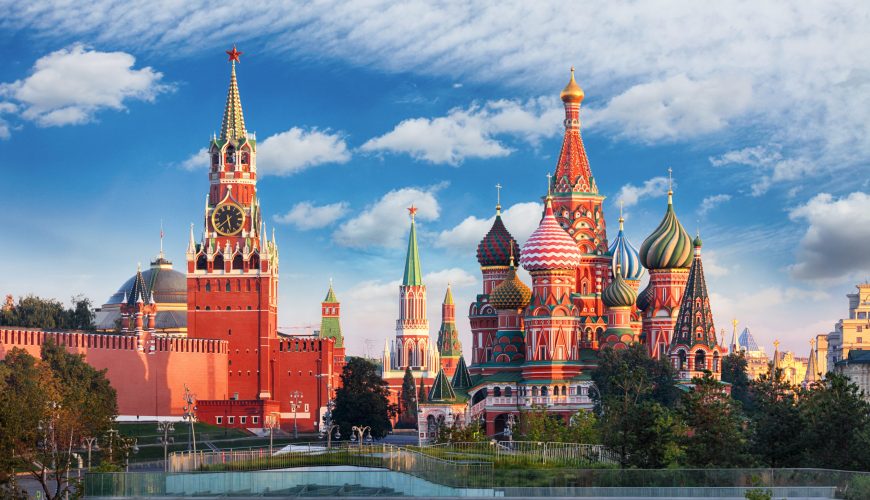
Russia
Russia is a land of superlatives. By far the world’s largest country, it covers nearly twice the territory of Canada, the second largest. It extends across the whole of northern Asia and the eastern third of Europe, spanning 11 time zones and incorporating a great range of environments and landforms, from deserts to semiarid steppes to deep forests and Arctic tundra. Russia contains Europe’s longest river, the Volga, and its largest lake, Ladoga. Russia also is home to the world’s deepest lake, Baikal, and the country recorded the world’s lowest temperature outside the North and South poles.
-
- September 4, 2022 6:37 pm
- no comment
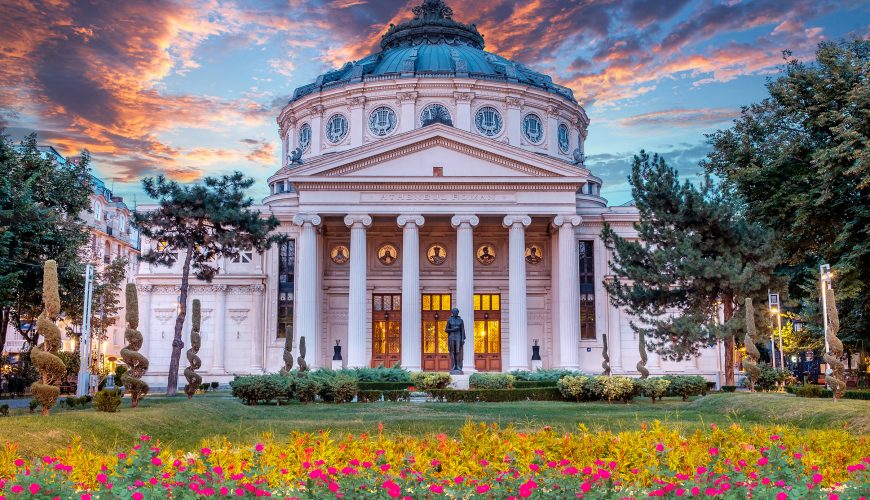
Romania
Romania is a southeastern European country known for the forested region of Transylvania, ringed by the Carpathian Mountains. Its preserved medieval towns include Sighişoara, and there are many fortified churches and castles, notably clifftop Bran Castle, long associated with the Dracula legend. Bucharest, the country’s capital, is the site of the gigantic, Communist-era Palatul Parlamentului government building.
-
- September 4, 2022 6:30 pm
- no comment
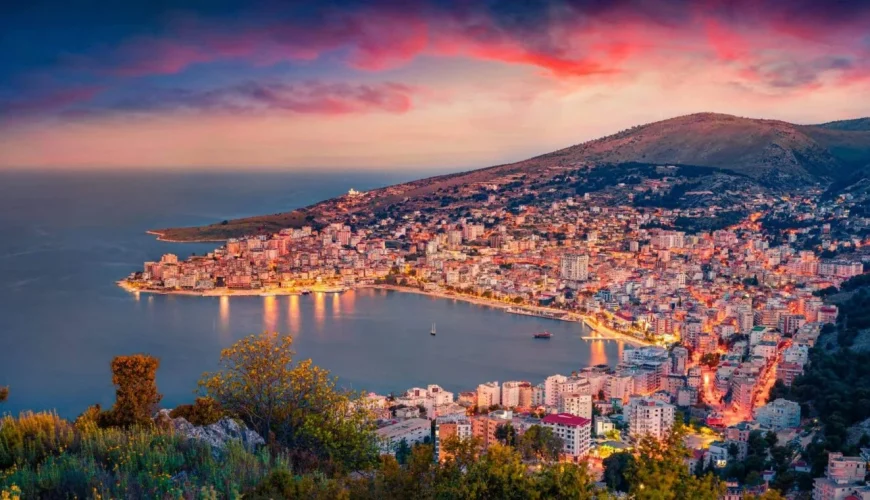
Albania
Albania, on Southeastern Europe’s Balkan Peninsula, is a small country with Adriatic and Ionian coastlines and an interior crossed by the Albanian Alps. The country has many castles and archaeological sites. Capital Tirana centers on sprawling Skanderbeg Square, site of the National History Museum, with exhibits spanning antiquity to post-communism, and frescoed Et’hem Bey Mosque.
-
- September 4, 2022 6:28 pm
- no comment
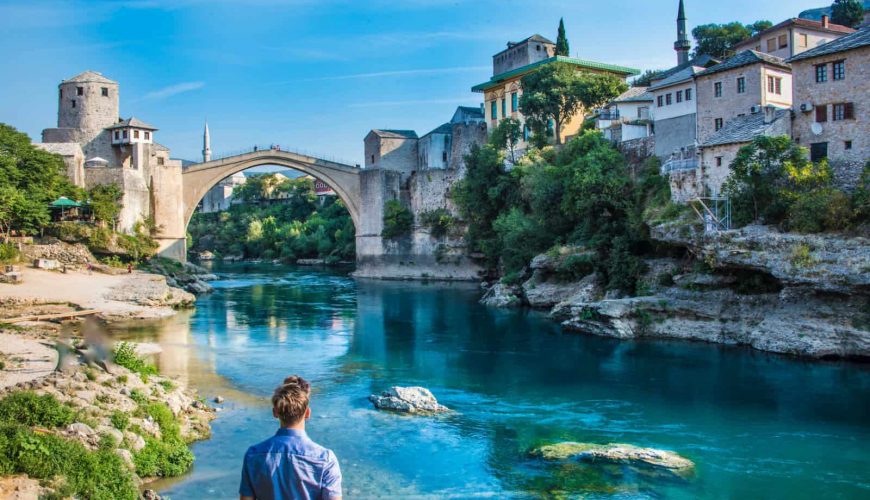
Bosnia and Herzegovina
Bosnia and Herzegovina is a country on the Balkan Peninsula in southeastern Europe. Its countryside is home to medieval villages, rivers and lakes, plus the craggy Dinaric Alps. National capital Sarajevo has a well preserved old quarter, Baščaršija, with landmarks like 16th-century Gazi Husrev-bey Mosque. Ottoman-era Latin Bridge is the site of the assassination of Archduke Franz Ferdinand, which ignited World War I
-
- September 4, 2022 6:24 pm
- no comment
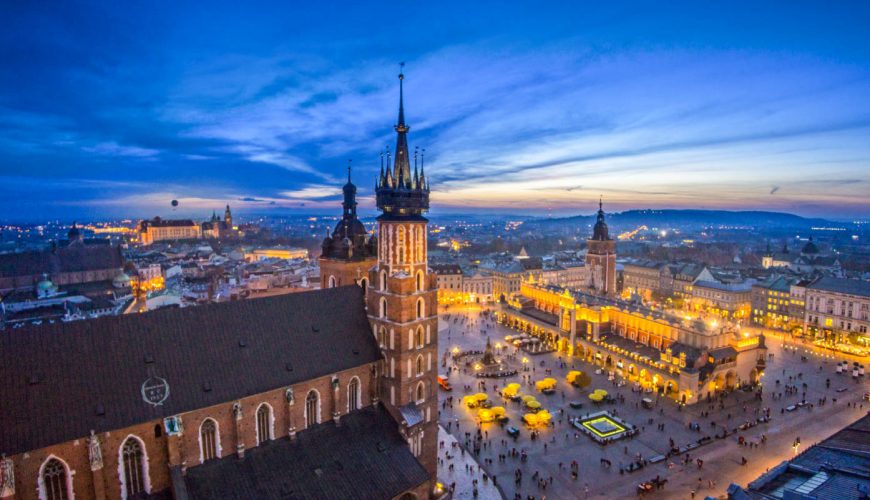
Poland
Poland, officially the Republic of Poland, is a country in Central Europe. It is divided into 16 administrative provinces called voivodeships, covering an area of 312,696 km². Poland has a population of over 38 million and is the fifth-most populous member state of the European Union
-
- September 4, 2022 6:21 pm
- no comment
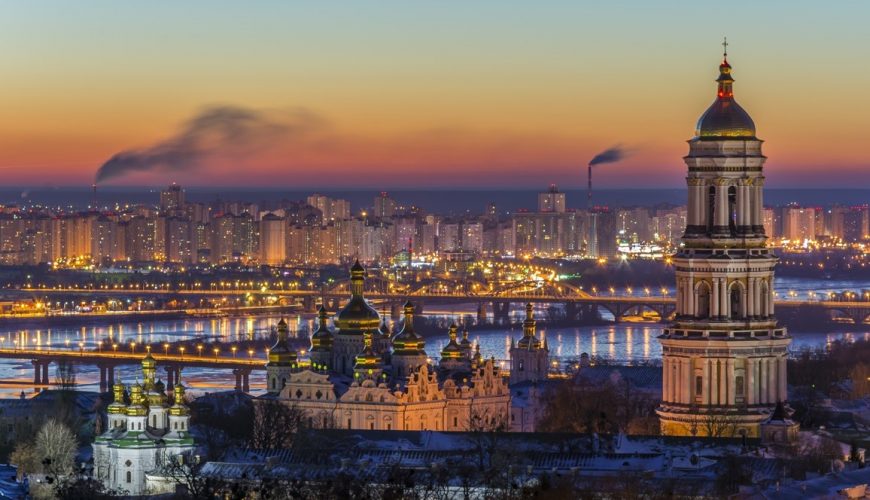
Ukraine
Ukraine is a country in Eastern Europe. It is the second-largest European country after Russia, which it borders to the east and northeast. Pre-war Ukraine covered approximately 600,000 square kilometres, and was the eighth-most populous country in Europe, with a population of around 41 million people.
-
- September 4, 2022 6:18 pm
- no comment